


Return & Expansion: Mickey Hart Returns
The Story of Return & Expansion
The hiatus was intended to be temporary—a chance for the band members to step back, recover from the intense touring schedule of the early 1970s, and pursue personal and musical interests. It stretched to 18 months, but when the Grateful Dead announced their return for shows at the Great American Music Hall in San Francisco in May 1976, the response was electric. Tickets were impossible to obtain; the demand demonstrated that whatever concerns the band had about their relevance, the Deadhead community had only grown more dedicated.
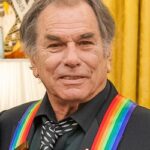
The key development during this era was Mickey Hart’s return to the band. Hart had been absent since 1971, having left the band to pursue his interests in world music and ethnomusicology. His return created possibilities that had been absent since his first departure. With Hart back behind the drums, the band could explore the polyrhythmic possibilities that had characterized some of their most ambitious music.
The reunited band wasn’t simply reviving the past. The hiatus had allowed members to rest, to heal, and to pursue side projects that informed their approach to Dead music. Jerry Garcia had continued to record solo albums. Robert Hunter had written songs that would enter the Dead’s repertoire. The band members had reflected on their direction and priorities.
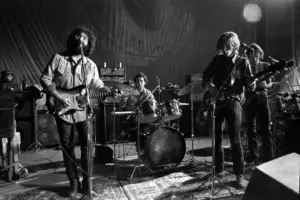
Musically, the Return & Expansion era featured a band that seemed liberated by their break. The performances were loose, joyful, and exploratory without the desperate quality that had sometimes characterized the later Classic Years shows. The band was rediscovering the joy of playing together. Simultaneously, the return of two drummers opened up new rhythmic possibilities that would prove influential for the rest of the band’s career.
The era culminated in shows at the Winterland Ballroom in December 1976 (December 27-31, plus New Year’s shows), which would later be documented in extensive releases. These shows demonstrated a band coming into focus after months of reunion, ready to move forward into a new phase of their career.
Lineup & Evolution
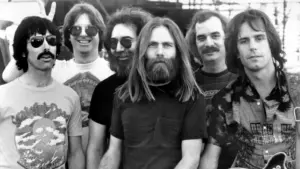
Core Lineup (May 1976 – December 1976): Jerry Garcia (lead guitar), Bobby Weir (rhythm guitar), Phil Lesh (bass), Bill Kreutzmann (drums), Mickey Hart (drums, returning), Keith Godchaux (keyboards), and Donna Jean Godchaux (vocals, percussion).
This seven-piece configuration expanded the band’s possibilities considerably. With dual drummers, the Godchaux couple contributing both keyboards and vocals, and the three-guitar/bass foundation solid, the band had an expanded palette from which to draw. It was a larger ensemble than the Classic Years, but the addition of personnel was purposeful rather than purely decorative.
Side Projects & Related Work
During the hiatus preceding this era, the band members pursued diverse projects. Mickey Hart had been developing his interest in ethnomusicology and world music, work that would continue throughout his later career. Jerry Garcia released “Reflections” (1976), another solo album showcasing his versatile instrumental skills. Bobby Weir and Phil Lesh continued their own musical exploration, though most of their formal output remained centered on Dead work.
Robert Hunter’s songwriting continued to develop, with new compositions emerging that would enter the Dead’s repertoire during this era and beyond.
Featured Shows from Return & Expansion Era
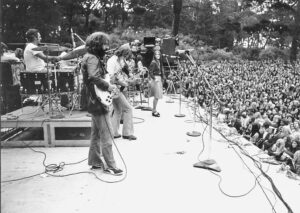
The May 1976 shows at the Great American Music Hall represented the Grateful Dead’s return to touring. Coming after 18 months away, these intimate shows (for a Dead show) demonstrated a band refreshed and reconnected. The energy was palpable; audiences and band members alike seemed energized by the return.
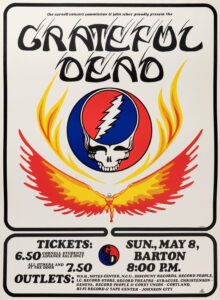
The May 1977 shows at Cornell University would become legendary—considered by many Deadheads as among the finest shows ever performed. While technically just into the next era, the Cornell shows demonstrated what the reconstituted band with Mickey Hart could achieve. The May 8, 1977 Cornell show in particular remains celebrated as a peak performance.
Notable Releases from Return & Expansion Era
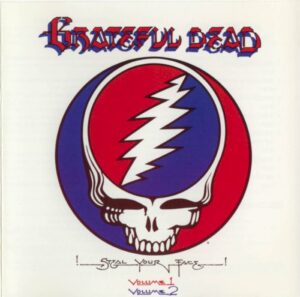
“Steal Your Face” (June 1976) was technically released during this era, though recorded during the earlier Classic Years. It remains one of the Dead’s most live-sounding studio albums, capturing performances with minimal overdubs. The album features extended versions of Dead standards and serves as a transition between the Classic Years and the post-reunion period.
The band did not release a new studio album during this period, instead focusing on the immediate challenges and joys of reuniting and returning to the road. However, the live performances from this era would later be documented through various official and unofficial releases and include some of the alltime favorited shows.
Featured Releases
Notable Songs from Return & Expansion Era
The Return & Expansion era featured the band drawing primarily on their well-established repertoire. No major new songs debuted during this brief era, but existing compositions like “He’s Gone,” “The Music Never Stopped,” and older standards were performed with renewed energy and enthusiasm. The emphasis was on reconnection with familiar material rather than compositional innovation.
Final Thoughts & Summary
The Return & Expansion era (May 1976 – December 1976) was brief but significant. It demonstrated that the Grateful Dead remained relevant and vital after an 18-month hiatus, that audiences remained hungry for their music, and that the band members had genuinely grown and evolved through time away. The return of Mickey Hart signaled that the band was ready to explore new directions while building on established foundations. This era served as a bridge between the Classic Years and the coming Arista years—a period of reestablishment that prepared the band for the next, more commercially oriented phase of their career.