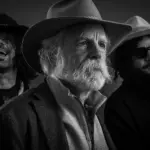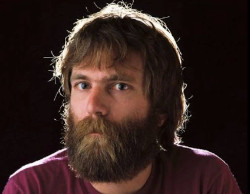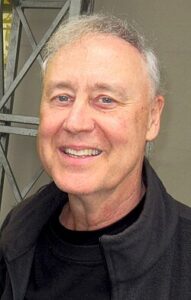

Bob Weir was born Robert Hall Parber in San Francisco and adopted as an infant by Frederic and Eleanor Weir, who raised him in Atherton on the San Francisco Peninsula. Undiagnosed dyslexia made school hard, and he moved through several schools, including a Colorado boarding school where he met John Perry Barlow, who later became one of his main lyricists. After failed attempts at piano and trumpet, Weir took up guitar at thirteen. He spent a teenage summer working on a Wyoming ranch, and the cowboy songs he learned there stayed with him for life.
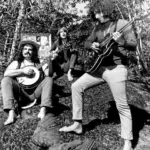
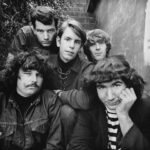
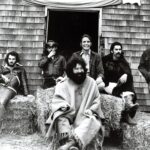
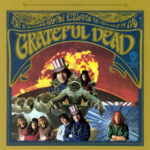
On New Year’s Eve 1963, sixteen-year-old Weir heard banjo coming from the back of Dana Morgan Music in Palo Alto. He found Jerry Garcia there waiting for students who hadn’t shown up, and they played through the night. The jug band they formed, Mother McCree’s Uptown Jug Champions, was Weir’s first band. It led to the Warlocks in 1965 and then the Grateful Dead, which Weir joined as the youngest member at seventeen.
Weir redefined what a rhythm guitarist could be. He avoided conventional strumming and developed an unusual style of inverted chords, counter-melodies and jazz-influenced voicings, influenced by McCoy Tyner’s piano comping. That style filled the space between Garcia’s lead lines and Phil Lesh’s roaming bass. He was also the band’s second main voice and its cowboy and rock-and-roll showman. With Barlow and Robert Hunter he wrote many of the Dead’s anthems, including “Sugar Magnolia,” “Playing in the Band,” “Jack Straw,” “Cassidy,” “Estimated Prophet,” “Throwing Stones” and his section of “The Other One.” His 1972 solo album Ace was essentially a Grateful Dead record under his name.
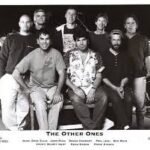
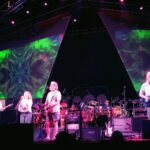
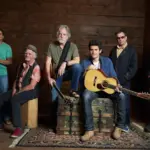
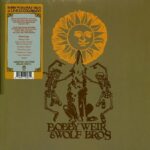
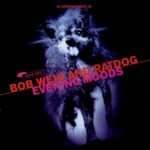
Beyond the Dead, Weir led Kingfish, Bobby and the Midnites and, from 1995, RatDog. After Garcia’s death he became the main keeper of the Dead’s songbook in The Other Ones, The Dead, Furthur (with Lesh) and Dead & Company, whose large stadium tours from 2015 to 2023 and Las Vegas Sphere residencies in 2024–25 brought the music to a new generation. With Wolf Bros he rearranged the catalog for small ensembles and even full symphony orchestras. In 2016 he released Blue Mountain, an album of cowboy songs.
Weir described songs as living creatures that change every time they’re played, and he believed the musician’s job was to let them grow. He was inducted into the Rock and Roll Hall of Fame in 1994, named MusiCares Person of the Year in 2025, and honored with his bandmates at the Kennedy Center Honors in 2024. He died in January 2026 at 78.