Eras
-

Establishing Roots
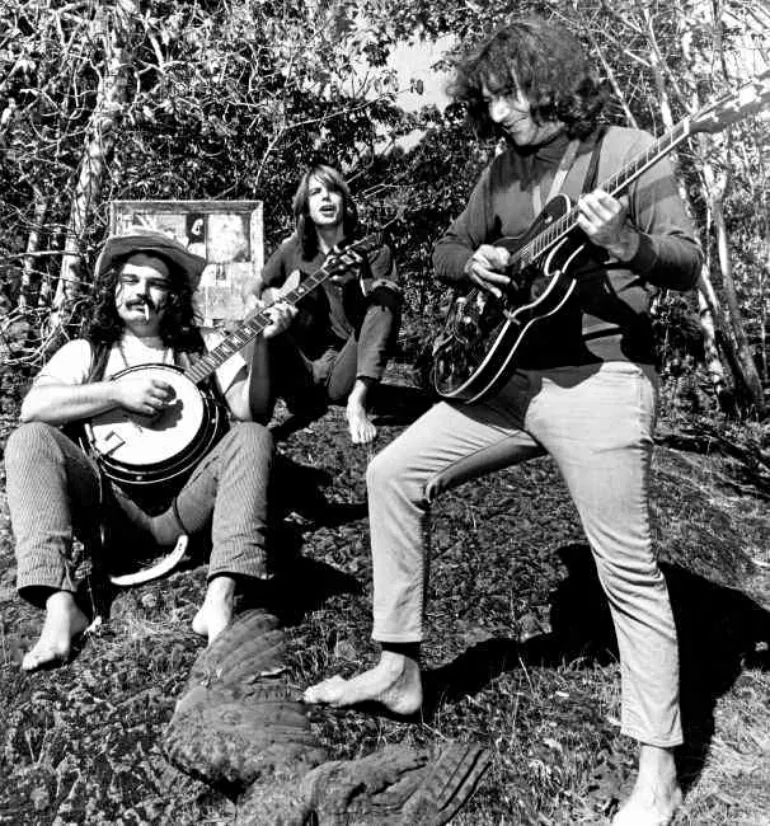
Before the Grateful Dead, there were individual musicians exploring folk, bluegrass, blues, R&B, jazz and avant-garde classical music around Palo Alto and the San Francisco Peninsula. This era follows the five founding members (Jerry Garcia, Bob Weir, Ron "Pigpen" McKernan, Bill Kreutzmann and Phil Lesh) and lyricist Robert Hunter along separate paths: Garcia from his first electric guitar in 1957 through years of bluegrass pickup bands, Pigpen's blues, Kreutzmann's R&B drumming and Lesh's classical and avant-garde training. It ends in 1964 with Garcia, Weir and Pigpen playing together in Mother McCree's Uptown Jug Champions, the first band to include future members of the Dead.
-

Going Electric
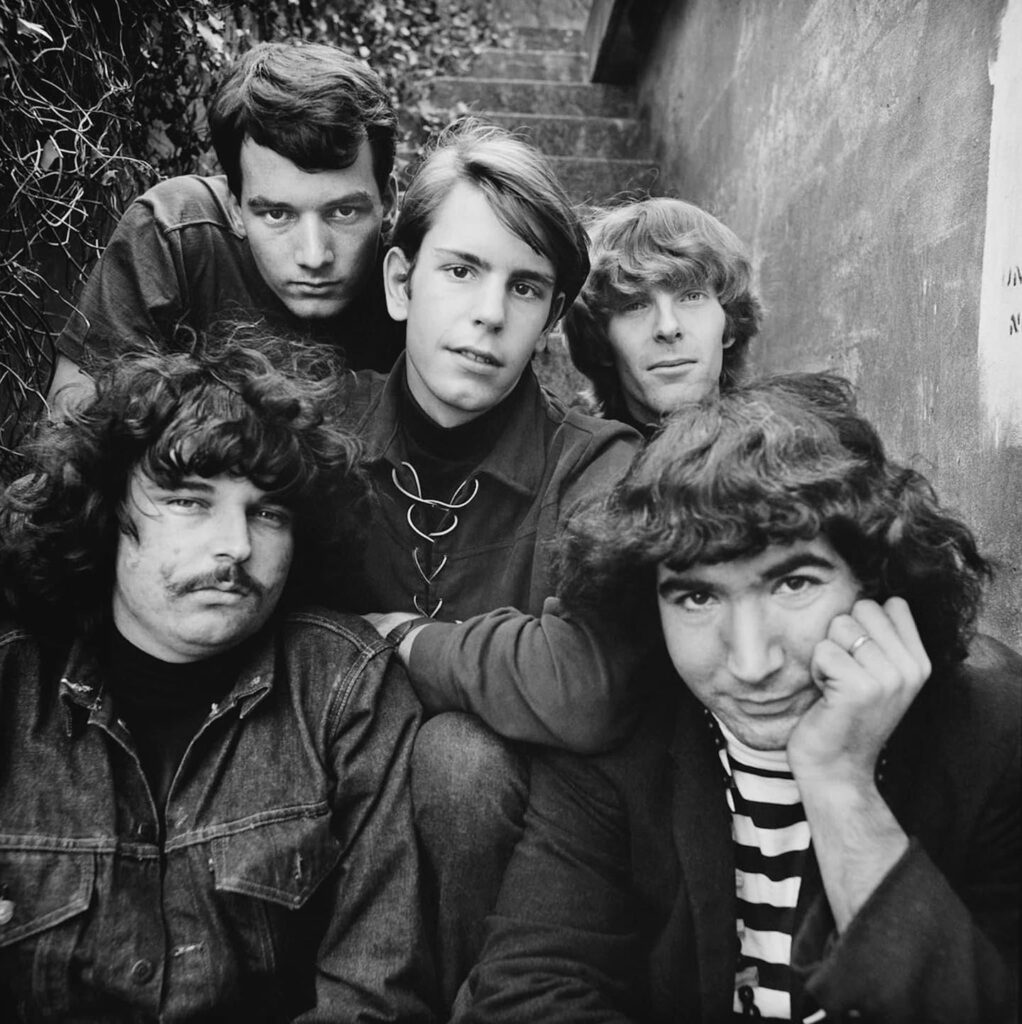
Mother McCree's Uptown Jug Champions spent 1964 as a Palo Alto favorite, but by January 1965 the jug band had run out of places to play. Within a year its core had become the Grateful Dead. This era follows the Warlocks from after-hours rehearsals in a Palo Alto music store through pizza-parlor shows and a bass player who had never touched a bass. Then come six weeks of five-set nights in a Belmont lounge, a studio demo, a new name and, in December 1965, the first Acid Test. It is the year Garcia put down the banjo, Weir learned rock rhythm guitar on the job, Pigpen became a frontman, Kreutzmann gave the band a dance-floor drummer, and Lesh brought a composer's ear to the electric bass.
-

Acid Tests and The Haight-Ashbury Years
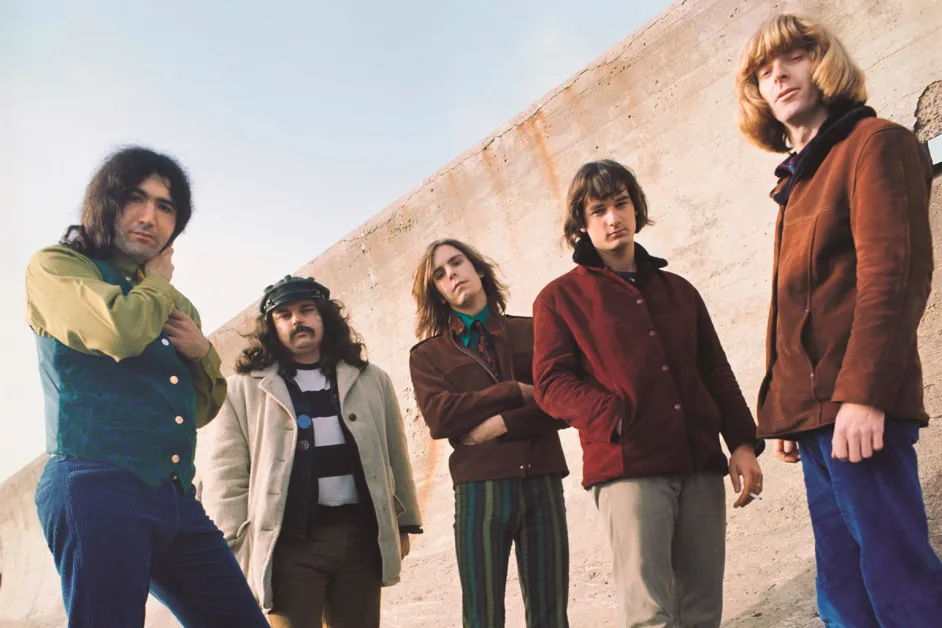
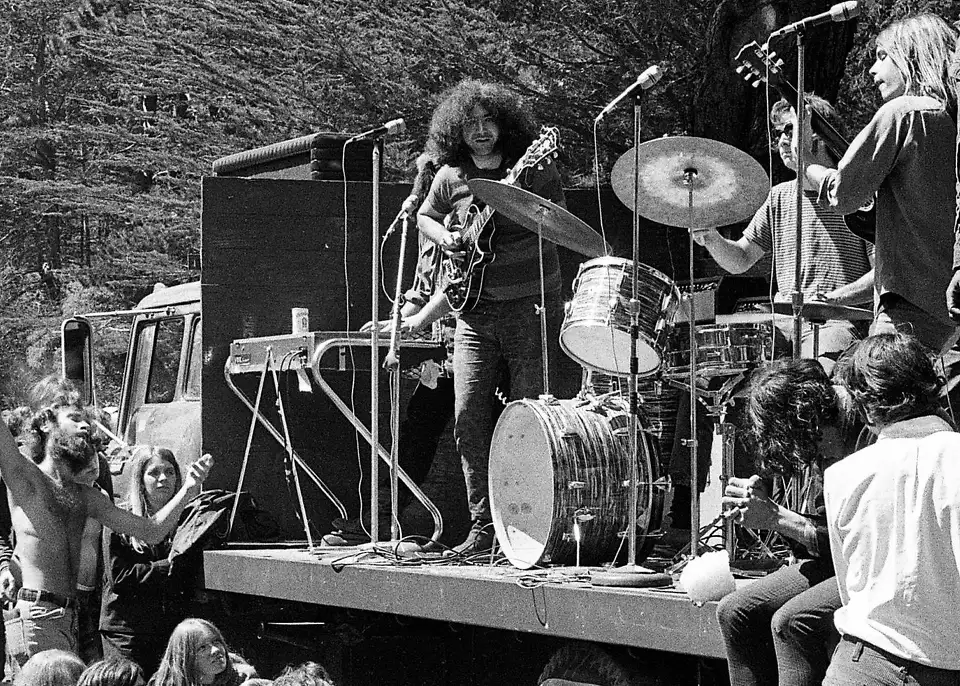
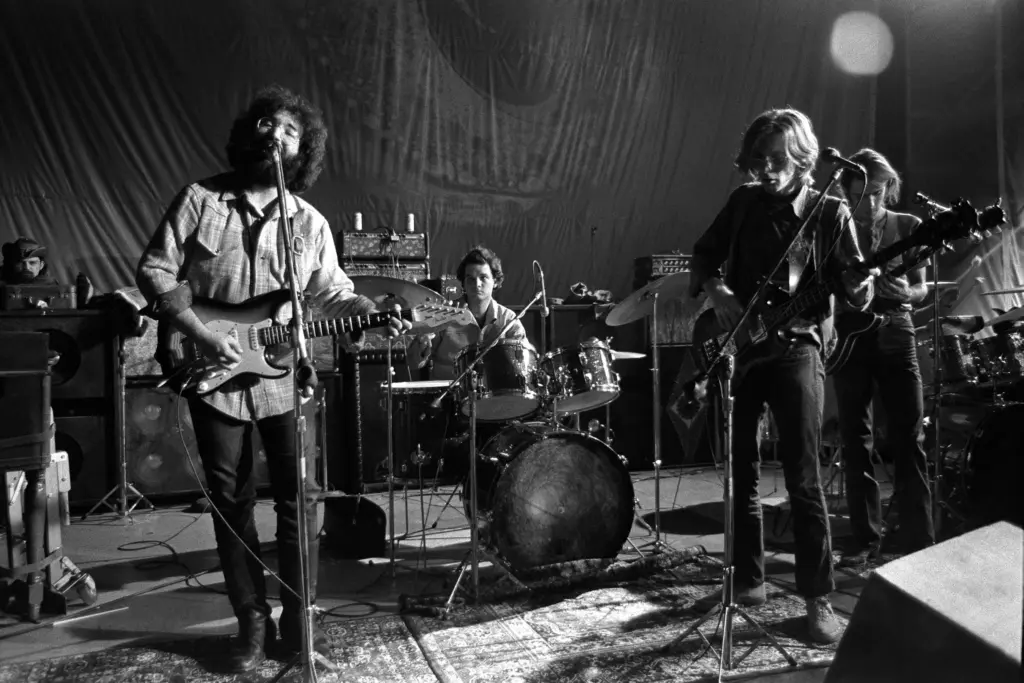
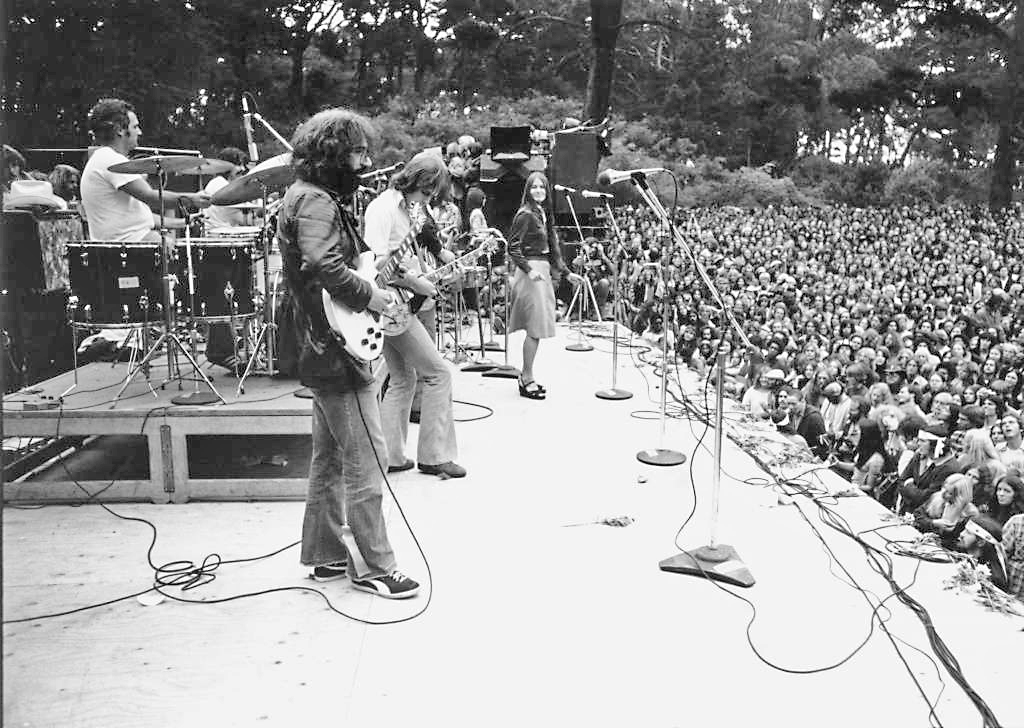
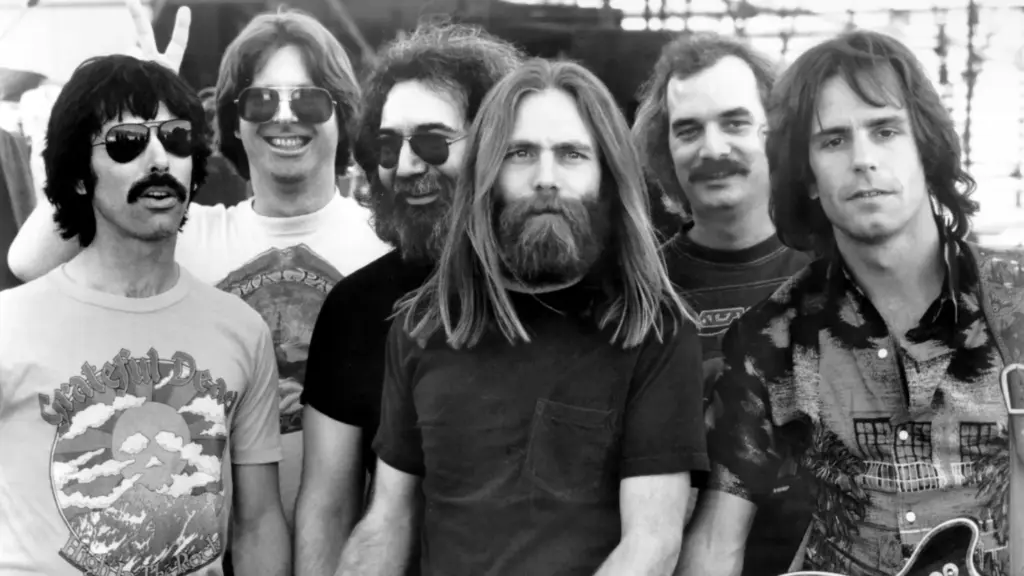
Renamed the Grateful Dead in December 1965, the band spent its first months as the house band at Ken Kesey's Acid Tests. Then came about two months in Los Angeles on the money of LSD chemist Owsley Stanley, and a summer living on ranches in Marin. In the fall of 1966 they moved into 710 Ashbury Street, in the middle of the Haight-Ashbury, and became regulars at the Fillmore and the Avalon and at free shows in Golden Gate Park. Pigpen's blues and soul covers carried the sets. Jerry Garcia, Bob Weir, Phil Lesh and Bill Kreutzmann learned to stretch them into long, loose jams. In March 1967 Warner Bros. released their first album, The Grateful Dead. By that summer Robert Hunter was writing lyrics for them, and a second drummer was about to join.
-

Psychedelic Era
Mickey Hart joined as a second drummer in September 1967, and Robert Hunter became the band's lyricist that same fall. Over the next two years the Grateful Dead made three very different records for Warner Bros. Anthem of the Sun (1968) spliced live tapes and studio tracks into one long collage. Aoxomoxoa (1969) was an expensive 16-track experiment. Live/Dead (1969) finally caught the live band on record. Tom Constanten, a friend of Phil Lesh's from the avant-garde music world, joined on keyboards in November 1968. Onstage the band built long suites around "Dark Star," "St. Stephen" and "The Eleven." By the end of 1969 Garcia was playing pedal steel in a country side band, and new songs like "Casey Jones" and "Uncle John's Band" had entered the set.
-

Americana Era
In February 1970, a few weeks after a drug bust in New Orleans, the Grateful Dead recorded Workingman's Dead in about nine days. It was a set of short, country-flavored Garcia and Hunter songs sung in close harmony. That summer they made American Beauty. Between those sessions, Mickey Hart's father, who was managing the band, disappeared with much of its money. Phil Lesh's father and Jerry Garcia's mother both died that year. The band toured as "An Evening with the Grateful Dead," with an acoustic set, a set by the New Riders of the Purple Sage, and a long electric set. Mickey Hart left in February 1971. The double live album Grateful Dead, known as Skull & Roses, became their first gold record. That fall Keith Godchaux joined on piano, and Donna Jean Godchaux joined him on vocals at New Year's. The era ends with the spring 1972 tour of Europe and Pigpen's last show, on June 17, 1972.
-

The Wall of Sound Years
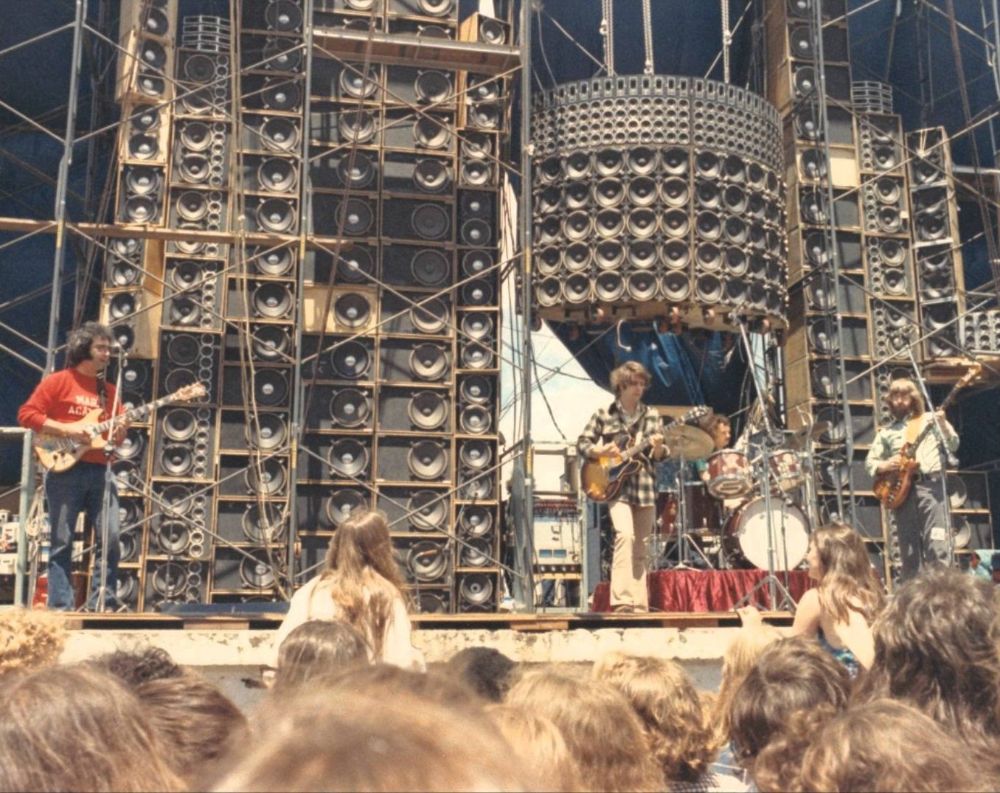
After Pigpen's last show in June 1972, the Grateful Dead toured as a five-piece band with Keith Godchaux on piano and Donna Jean Godchaux singing harmony. Over the next two years Jerry Garcia and Robert Hunter wrote "Eyes of the World," "China Doll," "Here Comes Sunshine," "Scarlet Begonias" and "Ship of Fools." The band started its own label, Grateful Dead Records, and released Wake of the Flood (1973) and From the Mars Hotel (1974). In July 1973 they played to an estimated 600,000 people at the Summer Jam at Watkins Glen. In 1974 they toured behind the Wall of Sound, a three-story sound system with about 600 speakers. The cost of carrying it all became too much, and after five nights at Winterland in October 1974 the band stopped touring.
-

The Hiatus
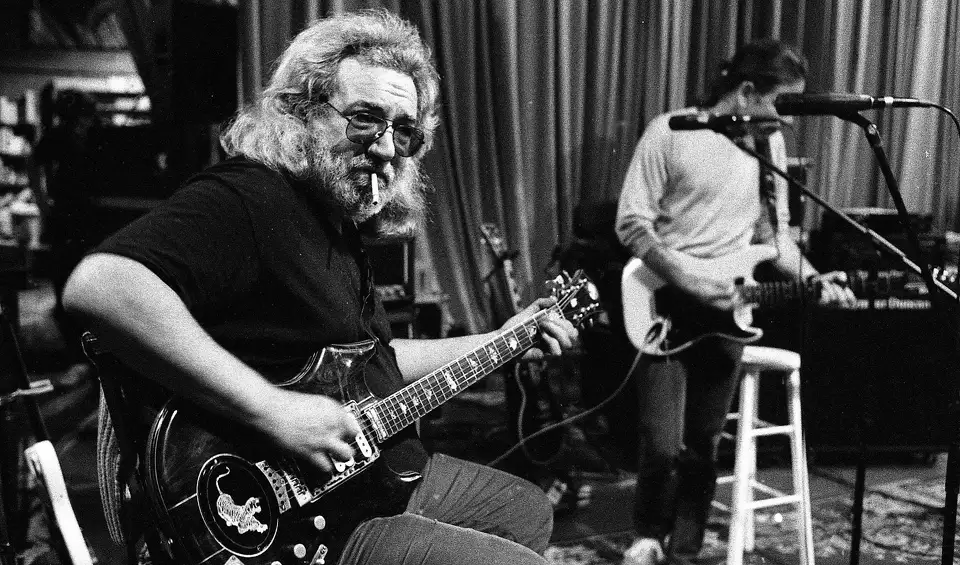
After five farewell nights at Winterland in October 1974, the Grateful Dead stopped touring for about a year and a half. The Wall of Sound and a payroll of dozens had made the road a money-loser, and the band wanted to make music without a machine to feed. They didn't stop playing. In 1975 they made Blues for Allah in Bob Weir's home studio, and they played four shows in San Francisco. Every member took up a side project. Garcia also spent much of the break editing The Grateful Dead Movie. In June 1976 the band went back on the road, with Hart back as a full member.
-

Returning Era
The Grateful Dead came back on June 3, 1976, in Portland, Oregon, after nearly 20 months off the road. They were broke, and they had a plan. Instead of arenas, they booked 2,000- to 3,600-seat theaters in their biggest markets, sold tickets by mail order and had the shows broadcast on local FM radio. Mickey Hart was back as a full member, so the seven-piece band went on tour with two drummers for the first time since early 1971. The new sets mixed songs from Blues for Allah and Jerry Garcia's Reflections with fresh debuts like "Samson and Delilah," and they brought back old favorites like "St. Stephen" and "Cosmic Charlie." That summer the band's own record company collapsed, and Steal Your Face, a muddy live album from 1974, came out to poor reviews. By fall the band was back in arenas and opening for The Who in an Oakland stadium. By the end of the year it had signed with Clive Davis's Arista Records.
-

Arista Era
The Grateful Dead's first decade with Arista Records began with outside producers and ended with one of the biggest live audiences in rock. Terrapin Station (1977) brought in Keith Olsen and an orchestra, and Shakedown Street (1978) brought in Little Feat's Lowell George, and the shows kept getting bigger. In 1977 the band played some of its most collected concerts, and in 1978 it played at the foot of the Great Pyramid during a lunar eclipse and closed Winterland with a party that ran until dawn. In 1979 Keith and Donna Godchaux left and Brent Mydland arrived with a Hammond organ and a high harmony voice. Through the early 1980s they built a road audience large enough to fill arenas without a hit record, opened an official tapers' section, and by the summer of 1986 were sharing stadium bills with Bob Dylan and Tom Petty.
-

The Touch of Grey Years
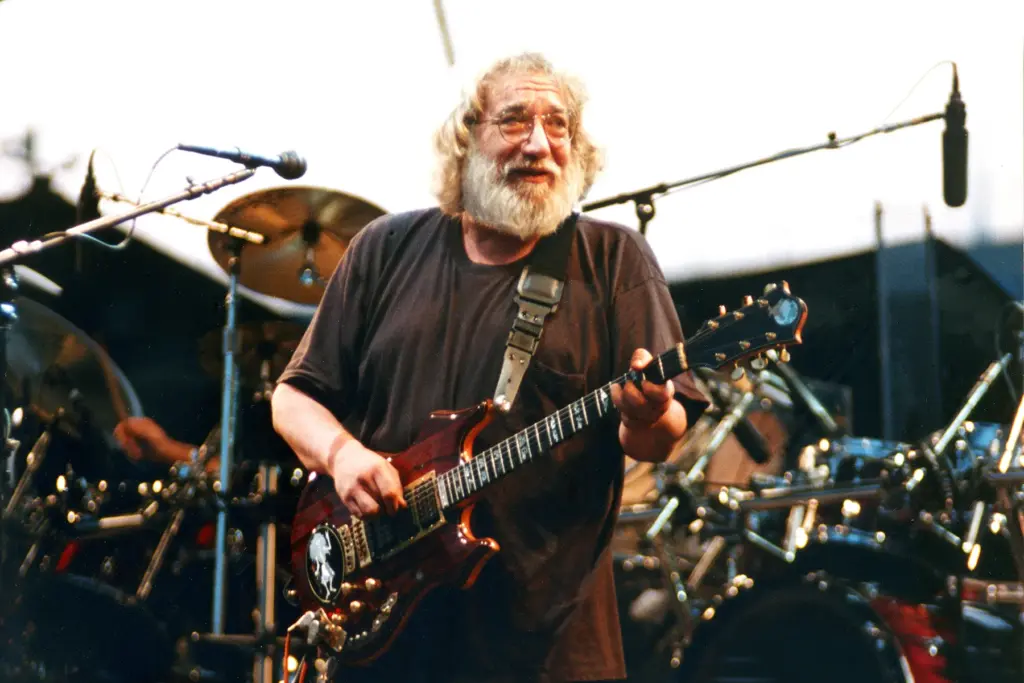
In July 1986 Jerry Garcia nearly died. He spent about five days in a diabetic coma and came out of it having to relearn the guitar. Five months later he was back onstage with the Grateful Dead, and a year after that the band had its first and only Top 10 hit. "Touch of Grey" and In the Dark brought in a new, younger audience, and with it crowds outside the shows that some cities wouldn't tolerate. The Dead toured stadiums with Bob Dylan, added MIDI instruments, made a final studio album, Built to Last, and under the name "Formerly the Warlocks" brought "Dark Star" back. Brent Mydland grew into a lead singer and songwriter, and the spring 1990 tour is one of the band's most celebrated. Three days after a show near Chicago that July, Mydland died at home.
-
Final Era
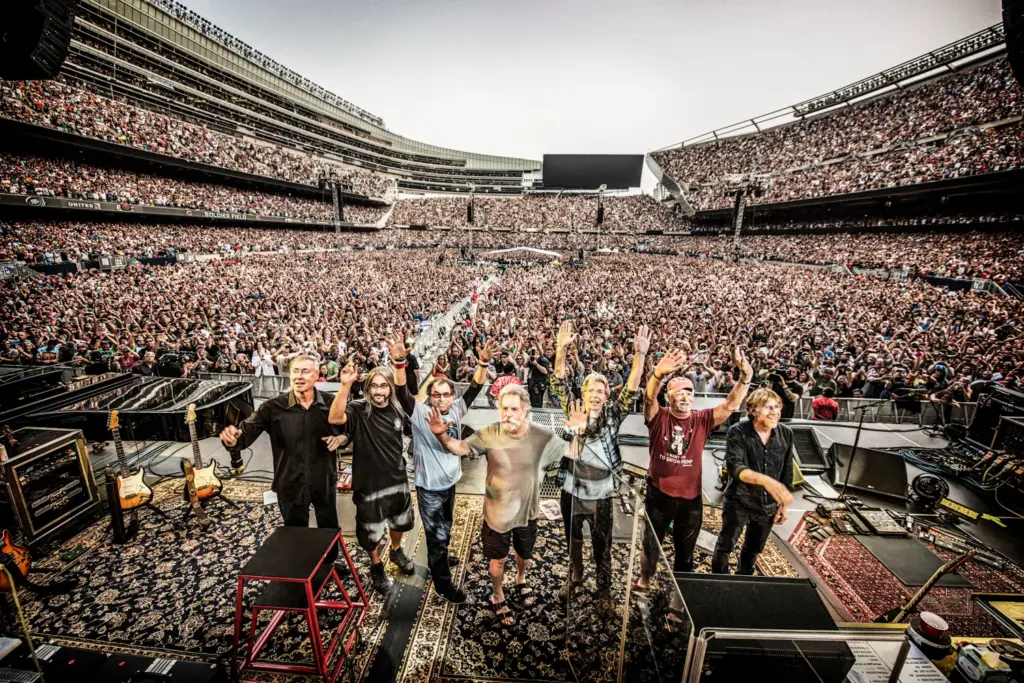
Six weeks after Brent Mydland's death, the Grateful Dead went back on the road with two new keyboard players: Vince Welnick, from The Tubes, and Bruce Hornsby, a hit-maker with his own band who played with the Dead whenever he could. The two-keyboard band of 1990 and 1991 played some of the most adventurous shows of the decade, and the Dead became the top-grossing concert act in America. Then Jerry Garcia's health failed again. He collapsed in August 1992, recovered, and wrote some of his most reflective songs with Robert Hunter, including "Days Between" and "So Many Roads." The band was inducted into the Rock and Roll Hall of Fame in 1994 and tried, and failed, to finish a new album. The summer of 1995 brought gate-crashing, a canceled show and a deck collapse at a fans' campground. The last show was at Soldier Field in Chicago on July 9. A month later Garcia died, and in December the remaining members said the Grateful Dead was over.
-
After I: So Many Roads
When the Grateful Dead ended in December 1995, its surviving members kept playing, though not together at first. Bob Weir already had a band, RatDog. Mickey Hart toured world-music projects, Bill Kreutzmann moved to Hawaii, and Phil Lesh mostly stayed off the road until 1998, when he revived Phil Lesh & Friends and co-founded the Other Ones. After a liver transplant that December, Phil & Friends became his main band. Over the next twenty years the four of them came back together under new names, first the Other Ones, The Dead, and Further, in between ran their own bands. In the summer of 2015 the four played five stadium shows as "Fare Thee Well," with Phish's Trey Anastasio standing in for Jerry Garcia.
-
After II: The Music Never Stops
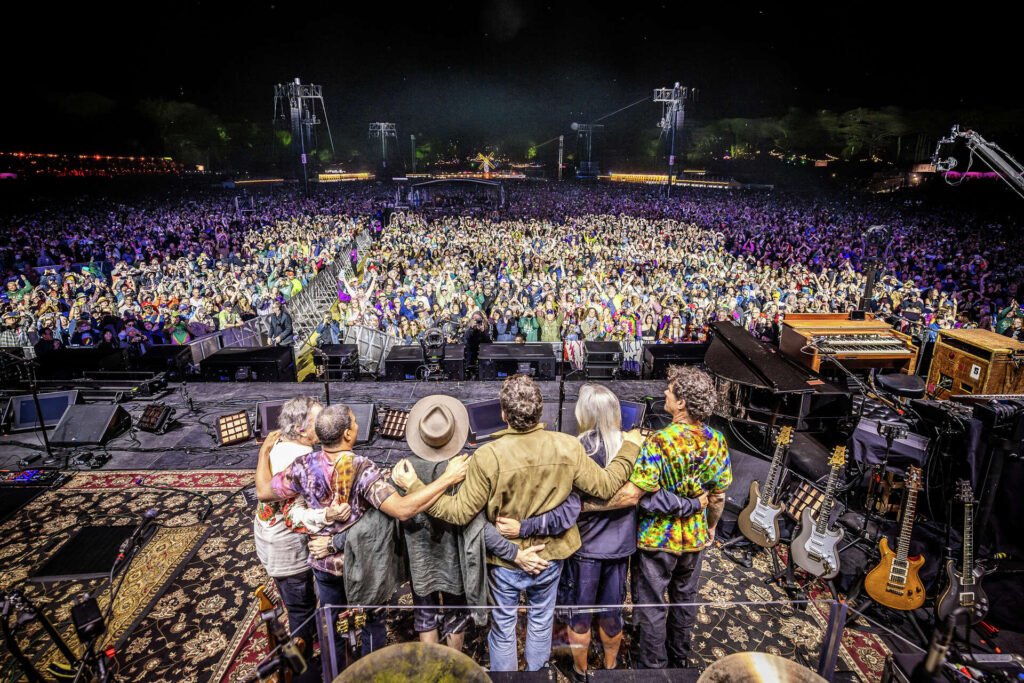
After Fare Thee Well the four surviving members went separate ways, but each of them kept playing. Bob Weir, Mickey Hart and Bill Kreutzmann formed Dead & Company with John Mayer. Over eight years and a farewell tour it became one of the top-grossing acts in the country. Phil Lesh played with his rotating Friends, mostly close to home in Marin County and at the Capitol Theatre in Port Chester, New York. Weir led a stripped-down trio, Wolf Bros, and took the songs to symphony orchestras. Kreutzmann toured with Billy & the Kids, and Hart made new records with Planet Drum. Robert Hunter died in 2019. Phil Lesh in 2024, the same year the band received the Kennedy Center Honors. The era ended with three shows in Golden Gate Park for the band's 60th anniversary in August 2025, Bob Weir's last. Bob Weir died January 2026.
-

After III: Not Fade Away 300 Year Legacy
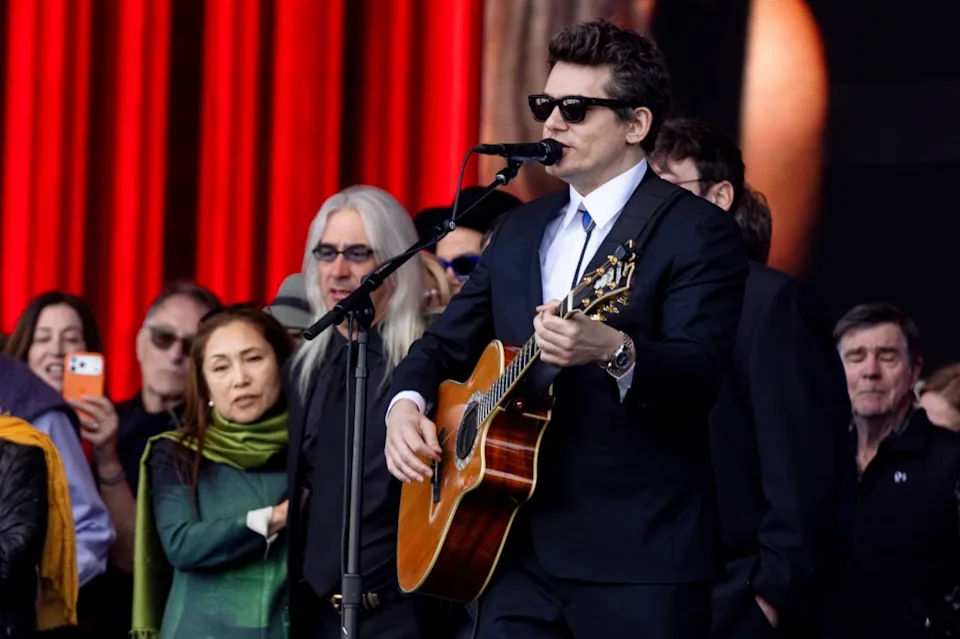
Bob Weir died in January 2026, about fifteen months after Phil Lesh. Of the band's founders, only Bill Kreutzmann was left, along with Mickey Hart, who joined in 1967. San Francisco gave Weir a public memorial at Civic Center, and the musicians who had played with him held tribute shows across the country. Dead & Company went quiet. The archive kept releasing shows, and in April 2026 launched its own streaming app. Bands across the country kept playing the songs, from Dark Star Orchestra's note-for-note recreations to Billy Strings' bluegrass covers. Weir had spent his last years saying he expected people to be playing them in 300 years.