
Back to Basics
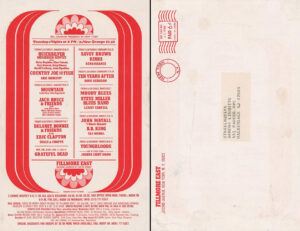
The morning after Tom Constanten’s last show, the Grateful Dead were in a New Orleans jail. Police had raided the band’s hotel on Bourbon Street and arrested nineteen people, Owsley Stanley among them. The band raised bail, played a benefit for itself, and went back to work. Two weeks later they were at the Fillmore East in New York on a bill with the Allman Brothers Band and Love. The “Dark Star” from February 13 is still one of the most admired versions ever taped.
The music they had been writing pointed somewhere quieter. Garcia and Hunter now had a batch of short songs built on country, folk and blues forms: “Uncle John’s Band,” “Casey Jones,” “Dire Wolf,” “Cumberland Blues,” “Black Peter” and “High Time.” Hunter was on a weekly retainer of forty dollars, writing lyrics full of trains, mines, card games and hard luck. The band had also been listening to Crosby, Stills & Nash. Garcia remembered: “We were into a much more relaxed thing about that time… We weren’t feeling so much like an experimental group, but were feeling more like a good old band.” Weir was singing more of the country covers, and the band worked hard on three-part harmonies.
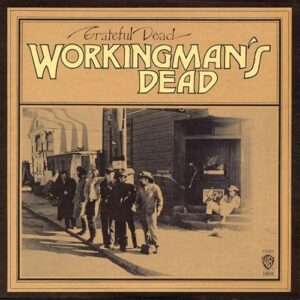
Workingman’s Dead
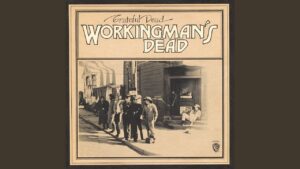
The band was still in debt to Warner Bros. after Aoxomoxoa. “When record time came around and we were getting new material together, we thought, ‘Let’s try to make it cheap this time,'” Garcia said. In February 1970 they went into Pacific High Recording in San Francisco and cut Workingman’s Dead in about nine days, with engineers Bob Matthews and Betty Cantor. They rehearsed the songs and played them live in the studio, with few overdubs and no tape tricks. Lesh called it “a turning point… it was exciting to focus and make such a left turn and focus on the song.”
The record came out on June 14, 1970. It reached number 27, the band’s best chart showing yet. A shortened “Uncle John’s Band,” released as a single, reached number 69 on the Hot 100. Garcia called the edit “an atrocity.” “Casey Jones” never charted, but its cocaine-fueled train wreck became one of the band’s best-known songs.
Lenny Hart Disappears
In early 1970 the band found out that Lenny Hart, Mickey’s father, who had been handling their money, had been taking it. Estimates of how much range from about $70,000 to more than $150,000, and he disappeared when the theft came to light. A private detective found him more than a year later in San Diego, working as a preacher. He was arrested in July 1971 and served six months. The rest of the band never blamed Mickey, but he took it hard, and Kreutzmann later wrote that Hart “wasn’t able to play at the level he was capable of.” Hart played his last show of this era at the Capitol Theatre in Port Chester, New York, on February 18, 1971. Hunter’s “He’s Gone,” written about Lenny, came a year later.
Evenings with the Grateful Dead
On the road in 1970, a Grateful Dead show could last four or five hours. Billed as “An Evening with the Grateful Dead,” it opened with an acoustic set: Garcia and Weir on acoustic guitars, Lesh on bass, and the band singing “Uncle John’s Band,” “Friend of the Devil” or old songs from the jug band days. Next came the New Riders of the Purple Sage, with Garcia on pedal steel and Hart on drums. The night ended with a long electric Dead set. The May 2 show at Harpur College in Binghamton, New York, and the May 15 shows at the Fillmore East are classic examples of the format. In late June and early July the band crossed Canada by train on the Festival Express with Janis Joplin, the Band and others. The film of that trip shows Garcia, Joplin and Rick Danko singing old folk songs in the bar car.
Garcia played constantly. On off nights he jammed at the Matrix in San Francisco with organist Howard Wales, along with bassist John Kahn and drummer Bill Vitt. “Playing with Howard did more for my ears than anybody I ever played with,” Garcia said. Later in 1970 he started playing club dates with keyboardist Merl Saunders, also with Kahn and Vitt. The partnership with Kahn lasted the rest of his life.
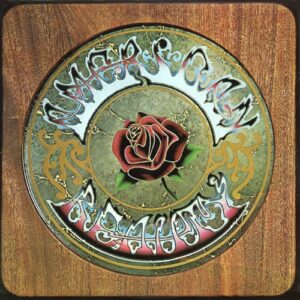
American Beauty
The second 1970 album was made in hard times. Lesh’s father, Frank, was dying of cancer, and he died while the band was making the album. Lesh had written a melody to sing to his father and asked Hunter for words. “If ever a lyric wrote itself, this did,” Hunter said, “as fast as the pen would pull.” That song was “Box of Rain,” the album’s opening track, with Lesh on lead vocals. In August Garcia’s mother, Ruth, was badly hurt in a car accident, and she died on September 28. “Brokedown Palace,” “Ripple” and “To Lay Me Down” had been written months earlier, all on one afternoon in London.
The band recorded American Beauty at Wally Heider’s studio in San Francisco in August and September 1970, with engineer Steve Barncard. Friends filled in: Howard Wales on organ and piano, David Nelson on electric guitar, Dave Torbert of the New Riders on bass for “Box of Rain,” and Garcia on pedal steel. The songs were even more polished than on Workingman’s Dead. They included Weir’s “Sugar Magnolia,” Garcia and Hunter’s “Friend of the Devil” and “Candyman,” and the group-written “Truckin’,” which Hunter based on his notes from the band’s spring tour, New Orleans bust included. Hunter was amused by how far they’d come: “this machine-eating, monster-psychedelic band is suddenly putting out sweet, listenable material.” American Beauty came out on November 1, 1970, and reached number 30. “Truckin’,” released as a single, reached number 64.
Skull & Roses
At Port Chester in February 1971, the band debuted five new songs in one night. Four of them, “Bertha,” “Loser,” “Wharf Rat” and “Playing in the Band,” became staples. It was also Mickey Hart’s last show, and for the next three and a half years the Dead were back to one drummer. The five-piece band was tight and loud, and it played more rock and roll. Weir sang Chuck Berry’s “Johnny B. Goode” and Merle Haggard’s “Mama Tried” with equal enthusiasm. “We were just coming alive,” Kreutzmann said. In April the band played its last run at the Fillmore East. On April 26 Duane Allman sat in. On April 27 the Beach Boys came out and played their own hits with the Dead backing them. Bill Graham closed both Fillmores that summer. The Dead’s last Fillmore West show, on July 2, was broadcast on KSAN.
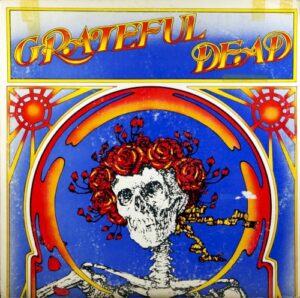
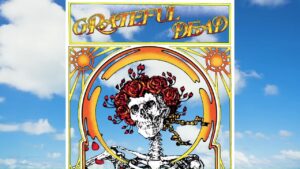
Warner Bros. wanted a new album, and the band gave it a double live record taken from the spring 1971 shows. Merl Saunders overdubbed organ on three songs. The band wanted to call it Skull Fuck, and Warner talked them down. “Warner Brothers freaked out on us,” Kreutzmann remembered. “They said stores would boycott it.” It came out in the fall of 1971 as Grateful Dead, with a skull and roses on the cover. Inside was a note that read, “Dead Freaks Unite: Who are you? Where are you? How are you?” and asked fans to mail in their addresses. Thousands did, and the list became the band’s direct line to its audience. It was the band’s first gold album.
Keith and Donna
By the summer of 1971 Pigpen was seriously ill, and in August he was hospitalized. The band needed a keyboard player right away. Keith Godchaux, a 23-year-old pianist from Concord who had played jazz and cocktail piano in Bay Area clubs, didn’t seem like an obvious fit. His wife Donna Jean was a former Muscle Shoals session singer who had sung backup on Percy Sledge’s “When a Man Loves a Woman” and Elvis Presley’s “Suspicious Minds.” She was also a Deadhead. After a Garcia show at a local club, she walked up to Garcia and introduced her husband. “I told Jerry that Keith needed to be in the band and I needed his home phone number, and I got his number!” she said. Keith rehearsed with the band that fall. His first show was October 19, 1971, at Northrop Auditorium in Minneapolis, and the band debuted six songs that night, among them “Tennessee Jed,” “Jack Straw,” “Ramble On Rose” and “One More Saturday Night.” Pigpen came back in December, playing organ and harmonica alongside Keith. Donna sang with the band for the first time at Winterland on New Year’s Eve.
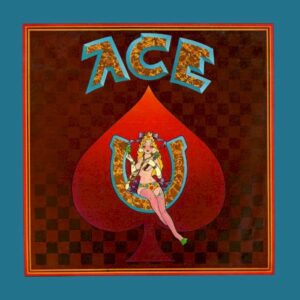
Solo records were coming too. Garcia recorded Garcia in July 1971, playing almost every instrument himself with Kreutzmann on drums. It came out in January 1972 with “Sugaree,” “Deal,” “Bird Song” and “Loser.” Weir’s Ace, recorded with the whole band (minus Pigpen) backing him, came out in May 1972. It started his writing partnership with John Perry Barlow, which produced “Mexicali Blues” and “Cassidy.” Hart, at home in Marin, was working on his own album, Rolling Thunder.
Notable Releases from this Era
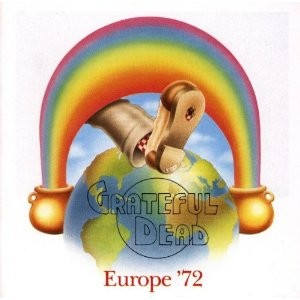
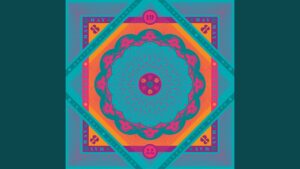
The two 1970 studio albums are the core of this era and of the band’s songbook. Workingman’s Dead and American Beauty gave the Dead more of their best-known songs than any other pair of records. Grateful Dead (Skull & Roses) captured the tougher 1971 five-piece band onstage, and Europe ’72 captured the band that came after it.
Notable Songs from the Era
Hunter and Garcia wrote the backbone of the Grateful Dead’s songbook in these two years. “Uncle John’s Band” pairs a folk melody with a tricky 7/4 passage, and its call to “come hear Uncle John’s Band” became the closest thing the band had to an anthem. “Casey Jones” took a well-known railroad ballad and made it about cocaine. “Ripple,” the gentlest thing they ever recorded, was mostly kept for acoustic sets. “Box of Rain” set Hunter’s words to Lesh’s melody.
The 1971 songs leaned harder. “Bertha” and “Playing in the Band” opened up the electric shows. “Playing in the Band” in particular, a Weir song with a rhythm idea from Hart, grew into one of the band’s longest jams. “Wharf Rat” told a full story in Garcia’s darkest ballad. Weir’s “Sugar Magnolia,” “Jack Straw” and “Mexicali Blues” gave him a real share of the songbook.
Europe ’72
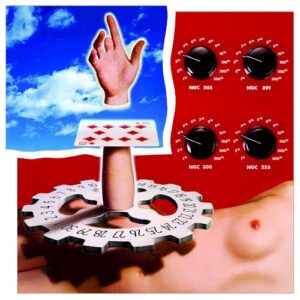
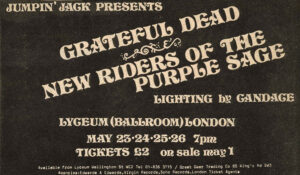
In April 1972 the Grateful Dead flew to Europe for their biggest tour yet. Warner Bros. paid for a 16-track recording truck, and the band brought families, crew and friends, about forty-three people in all. Between April 7 at the Wembley Empire Pool in London and May 26, they played 22 shows in England, Denmark, West Germany, France, the Netherlands and Luxembourg. The tour stopped at the Bickershaw Festival in the English rain, was broadcast on Danish TV, played Amsterdam’s Concertgebouw, and drew long jams nearly every night. In Copenhagen on April 17 the band played Hunter’s new “He’s Gone” for the first time. The tour ended with four nights at the Lyceum Theatre in London, May 23 to 26. The triple album Europe ’72, drawn from the tapes, came out that November.
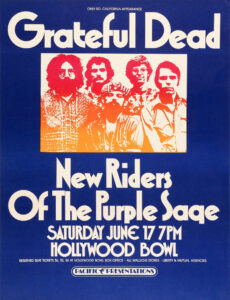
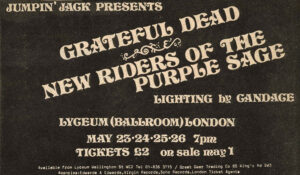
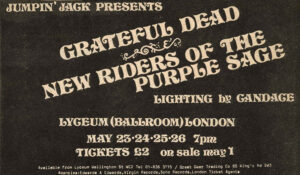

Pigpen made the whole trip, though he was weak, and sang his blues most nights. His last lead vocals came on May 26 at the Lyceum. On June 17, 1972, he played his last show with the band, at the Hollywood Bowl, without singing. That night the band also played “Stella Blue” for the first time. Pigpen died at home in Corte Madera on March 8, 1973. He was 27.
Disheartened by deaths, the band found resolve to continue to another era.