




Touring Hiatus
By late 1974, the Grateful Dead had been touring relentlessly for nearly a decade. The pace was unsustainable—playing hundreds of shows annually, traveling constantly, dealing with the pressures of managing a large touring operation. More significantly, the lifestyle associated with touring was taking its toll on band members. Drug use, particularly heroin and cocaine, had become increasingly problematic within the organization. Several band members were struggling with serious addiction issues. Jerry Garcia himself was dealing with various health challenges exacerbated by the grueling touring schedule and substance use.
The five Winterland Ballroom shows in November 1974 (November 6, 7, 8, 9, and 10) were explicitly framed as farewell performances. The band recorded these shows extensively, knowing they would likely be unavailable for touring in the immediate future. The shows were emotional, powerful, and clearly intentional, a planned conclusion to a touring cycle. The band members seemed to understand that they needed time away from the road to recover, reassess, and address personal issues.
After Winterland, the Dead simply stopped touring. No shows were scheduled. No announcement was made about any breakup, but there was also no clear timeline for return. This ambiguity would persist throughout the hiatus period: was it temporary or permanent? When might they return? The uncertainty itself became part of the band’s and the community’s experience of this period.
The hiatus provided space for some necessary reckonings. Jerry Garcia had to confront his health issues and substance abuse. Keith Godchaux’s addiction problems became increasingly serious during this period, eventually contributing to his departure from the band in May 1979. Other band members used the time to address personal issues, spend time with families, and pursue individual musical interests. The constant pressure to perform and tour was lifted, allowing reflection and recovery.
Yet the hiatus wasn’t complete inactivity. The band recorded “Blues for Allah” during this period (released September 1975), demonstrating that creative work continued even without touring. Jerry Garcia worked on solo projects. Band members pursued various musical collaborations. The question wasn’t whether the Dead were finished—it was whether they could sustain their previous pace upon returning.
Why the Hiatus Was Necessary
Physical & Emotional Exhaustion: Nearly a decade of relentless touring had taken a severe physical toll. Musicians in their 30s were experiencing health issues typical of people decades older. The emotional demands of constant travel and performance were equally taxing. The hiatus provided space for the body and mind to recover.
Substance Abuse Crisis: Drug use had become increasingly problematic within the Dead organization. Heroin and cocaine use were endemic, affecting multiple band members and crew members. The touring lifestyle, with its access to drugs and isolation from normal social structures, exacerbated addiction issues. The hiatus provided an opportunity for individuals to address these serious problems.
Jerry’s Health: Jerry Garcia was dealing with serious health issues including dental problems, general health deterioration, and the cumulative effects of heroin use. The break provided time for medical treatment and recovery that would have been impossible while touring.
Family Obligations: Band members had spouses and children who had been neglected during years of constant touring. The hiatus provided space to reconnect with family and address personal relationships that had suffered from the demands of the band.
Creative Reassessment: After a decade of touring, the band needed time to think about where they were headed musically and organizationally. The Classic Years had been artistically fertile, but questions arose about whether the band could continue evolving or whether they were becoming a legacy act, merely replaying past glories.
What Each Band Member Did During the Hiatus
Jerry Garcia: Jerry used the hiatus to address health issues, including dental work and general medical treatment. He recorded solo material, working on albums that would eventually be released. He also dealt with serious heroin addiction, though the extent of his personal struggles during this period isn’t entirely documented. The break gave him time to spend with his family and attempt recovery.
Bobby Weir: Bobby pursued various musical projects during the hiatus. He worked on solo material and collaborated with other musicians, exploring musical directions outside the Dead context. The break allowed him to develop his own artistic voice independent of Jerry’s prominence.
Phil Lesh: Phil focused on family and personal projects during the hiatus. He wasn’t as prolific in releasing solo work as some band members, but he used the time for personal reflection and recovery from the rigors of touring.
Keith Godchaux: Keith’s hiatus period was complicated by his ongoing struggles with addiction. The break from touring didn’t resolve his personal issues—if anything, it may have intensified them. His inability to maintain sobriety would eventually lead to his departure from the band in May 1979, just a few years after the band’s return to touring.
Bill Kreutzmann & Mickey Hart: The drummers used the hiatus for personal pursuits. Mickey Hart continued his ethnomusicology work and exploration of world music traditions. Bill Kreutzmann focused on personal matters and recovery from touring stress.
Donna Jean Godchaux: Donna Jean spent time with family and pursued personal projects, though like her husband Keith, she too was dealing with challenges during this period.
The Limited Shows During the “Hiatus”
While the band’s touring activity essentially ceased, they were not completely dormant. Historical records suggest a handful of performances occurred during the hiatus period, though these were exceptional circumstances rather than regular touring shows. These performances demonstrated that the band could reunite for special occasions even while maintaining their break from regular touring.
The exact number and dates of shows during the hiatus are somewhat disputed in different sources, but accounts suggest no more than a handful of performances during the entire 18-month period—far fewer than the hundreds of shows they would typically play in that timeframe. This dramatic reduction in activity underscored the intentionality of their break from touring.
Blues for Allah: Recording During the Hiatus
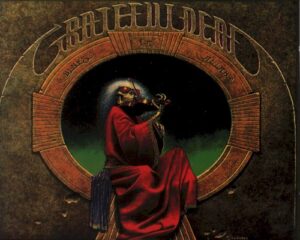
“Blues for Allah,” released in September 1975, stands as the primary studio output from the hiatus period. Recorded during the break from touring, the album demonstrated that despite their touring hiatus, the Dead remained creatively active in the studio. The album features “Franklin’s Tower” and “Help on the Way/Slipknot!,” both of which became concert staples upon the band’s return to touring.
The album’s existence proved significant: the band could still create compelling studio work even while resting from the road. “Blues for Allah” wasn’t a decline from their earlier work—it demonstrated continued artistic evolution and the ability to craft sophisticated, complex compositions. The album provided evidence that the Dead hadn’t lost their creative edge during the hiatus.
Featured Releases
Solo Projects & Side Work
Several band members pursued solo recording projects during the hiatus. Jerry Garcia continued work on his solo albums, exploring acoustic material and other musical directions. This solo work provided outlet for creative impulses that might not fit within the Dead’s framework and allowed band members to demonstrate their individual artistry.
These solo and side projects served multiple purposes: they provided income when Dead income ceased, they allowed artistic exploration outside the band context, and they kept musicians engaged creatively even without touring. Paradoxically, the “break” from the Dead meant more activity in individual musical projects for many band members.
The End of the Hiatus & Return to Touring
By early 1976, the band began planning a return to touring. The hiatus, lasting roughly 18 months, had provided the necessary recovery time. Band members had addressed personal issues (to varying degrees of success), health had improved, and creative energy had been restored. The question of whether the Dead could sustain touring at their previous pace had been partially answered: they would return, but perhaps with some modifications to how they managed touring schedules and personal well-being.
The May 1976 return at the Great American Music Hall in San Francisco marked the official end of the hiatus. The shows demonstrated a band refreshed and reconnected, ready to resume their primary work while hopefully incorporating lessons learned during the break about the importance of rest and personal recovery.
Significance of the Hiatus Era
The Hiatus era (November 1974 – May 1976) represents a crucial but often overlooked period in Grateful Dead history. It demonstrated that the band understood its own limits and was willing to make difficult decisions about touring schedules and personal priorities. The hiatus prevented complete burnout and likely extended the band’s viable touring years by providing necessary recovery time.
Yet the hiatus also revealed problems that wouldn’t go away: substance abuse issues persisted and would eventually force personnel changes. Jerry’s health issues, temporarily addressed, would recur. The fundamental tension between the band’s creative drive and the physical demands of touring would continue to characterize the Dead’s existence.
Perhaps most importantly, the hiatus established a precedent: the Dead could take time away from touring and return stronger. This principle would resurface throughout the band’s remaining years—that periodic breaks from the relentless touring schedule were not signs of weakness but rather necessary maintenance for the band’s long-term survival and artistic vitality.
Final Thoughts & Summary
The Hiatus era (November 1974 – May 1976) was an atypical period in Grateful Dead history—a moment when the band acknowledged that relentless touring was unsustainable and took deliberate action to address that reality. The 18-month break provided space for physical recovery, personal issues to be addressed, and creative work to continue in different contexts. “Blues for Allah” proved the band remained artistically viable. The return to touring in May 1976 demonstrated that the break had been restorative.
Yet the hiatus also revealed enduring problems. The band couldn’t simply tour away the substance abuse, health issues, and interpersonal tensions that plagued them. Recovery required more than a break from the road—it required deeper personal and organizational change. The hiatus provided respite but not cure. When the Dead returned to touring, they would carry forward the same fundamental tensions between ambition and sustainability that had necessitated the break in the first place. Nevertheless, the willingness to take this break demonstrated that the Dead’s core members understood something crucial: the music mattered more than any particular schedule or expectation, and preserving the possibility of the Dead required sometimes saying no to touring.